


Table of Contents
- What Makes Equipment Reliable for Outdoor Recreation
- 10 Essentials for Outdoor Activities and When You Need Them
- Shelter and Sleep Systems: Foundation Gear for Comfort and Safety
- Camping Gear Checklist: Beyond the Basics
- How to Choose Reliable Camping Gear That Performs When It Matters
- Portable Power for Camping and Extended Trips
- Testing Your Gear Before You Need It
- Frequently Asked Questions
Last Updated: October 20, 2026
What Makes Equipment Reliable for Outdoor Recreation
Choosing reliable equipment outdoor recreation isn't about buying the most expensive gear or chasing trends. It's about tools that perform consistently under actual conditions, judged by durability, function, and how well they handle what nature throws at them.
Reliability means materials that withstand weather, temperature swings, and physical stress; simple designs with fewer failure points; and field-tested results over marketing claims.
Whether you're planning a weekend hike, preparing for unexpected weather, or building an emergency kit, the foundation is the same: reliable equipment outdoor recreation that performs when it matters most.
10 Essentials for Outdoor Activities and When You Need Them
The "10 essentials" framework is widely taught by outdoor organizations as a starting point for trip planning.
Navigation. A map and compass work without batteries, signal, or charging, which is why many carry them even when using a GPS app.
Lighting. A headlamp keeps your hands free for camp chores and night hiking. A handheld light with adjustable focus, like the USB Rechargeable LED Flashlight with Adjustable Focus and Multiple Light Modes for Outdoor and Emergency Use, can throw a beam for spotting terrain or signaling while also dimming for close work.
Sun protection. Sunburn and heat exposure are cumulative and easy to underestimate.
First aid. A basic kit addresses cuts, blisters, and minor injuries, the most common problems on any outing. The LifeLine First Aid Waterproof First Aid Kit for Water, Snow, and the Outdoors is organized in a waterproof case with a carabiner for attaching to a pack, which suits wet or snowy conditions where a soft pouch would soak through. For longer or more remote trips, a larger kit like the All Purpose First Aid Kit Waterproof Dry Bag Red offers more supplies for extended use.


Insulation. An extra insulating layer belongs in the day-trip tier even in summer, because weather changes or a delay can turn a warm day into a cold night.
Shelter. An emergency shelter or tarp protects against wind and rain and helps retain body heat if you are stuck out longer than planned. The Waterproof Camping Tarp Shelter 10x10.5 ft can be pitched in lean-to, A-frame, or canopy configurations, making it adaptable to different terrain and wind directions.

Waterproof Camping Tarp Shelter 10x10.5 ft – Emergency Rain Cover & Awning
Hydration. Water needs vary widely by person, activity level, heat, altitude, and duration.
Nutrition. Food is fuel and morale. Amount and type depend on trip length and effort level, and no single quantity fits everyone.
Fire. Fire-starting tools serve warmth, signaling, and cooking.
Repair and tools. A multi-tool, tape, cord, and a patch kit handle most field repairs.
Emergency signaling. Not one of the traditional ten, but worth adding: a whistle, a mirror, and a light cover the basics.
Shelter and Sleep Systems: Foundation Gear for Comfort and Safety
Shelter and sleep systems form the backbone of outdoor comfort and safety. Without protection from the elements and proper rest, your ability to handle physical activity and temperature stress declines quickly.
Shelter serves two purposes: protection from weather and insulation from ground cold.
Sleep quality directly affects next-day performance and decision-making; poor sleep impairs judgment, which is why sleep systems deserve careful planning (The Role of Sleep and the Effects of Sleep Loss on Cognitive, Affective, and Behavioral...).
The Waterproof Camping Tarp Shelter offers flexibility that traditional tents don't provide. Its multiple configuration options let you adapt to terrain, wind direction, and available anchor points.
When selecting a sleep system, consider your typical conditions. Temperature rating, weight, and packability all influence whether you'll actually use the equipment. A bag rated colder than you need adds unnecessary weight; undersizing the rating leaves you cold.
Camping Gear Checklist: Beyond the Basics
Most camping checklists are organized by category: shelter, sleep, cooking, clothing, and so on. That helps you avoid forgetting things but doesn't help you decide what to bring for a specific trip.
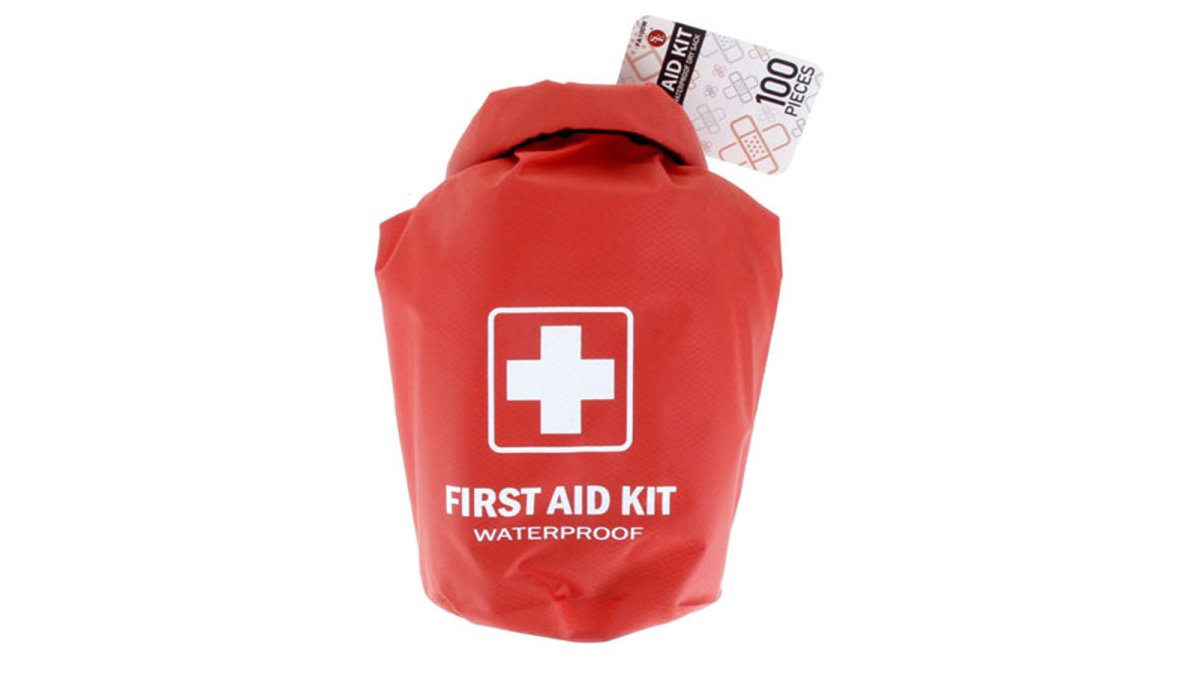
All Purpose First Aid Kit Waterproof Dry Bag Red
Start with four trip variables. Trip length, expected weather, terrain and distance, and distance from help.
- Trip length determines consumables (food, fuel, water capacity) and whether you need a full sleep system or just an emergency shelter.
- Expected weather determines your layering system, shelter choice, and how much insulation you carry. Cold and wet is a different problem from hot and dry.
- Terrain and distance determine footwear, pack volume, and how much weight is reasonable. A short flat approach tolerates heavier, more comfortable gear; a long climb does not.
- Distance from help determines how much redundancy and self-rescue capability you carry. A campground with cell service and a nearby store is a different risk profile from a remote backcountry site.
Activity comparison. The same categories resolve differently depending on what you are doing, which is where the real decisions happen.
Category |
Frontcountry Camping |
Backpacking |
Paddling / Water Trips |
|---|---|---|---|
Shelter |
Tent or tarp; weight less critical |
Lightweight tent or tarp; every ounce counts |
Shelter plus dry storage for gear and clothing |
Sleep |
Comfortable pad and bag |
Lightweight pad and bag rated for conditions |
Sleep system kept dry; condensation management matters |
Cooking |
Larger stove and cookware |
Compact stove and minimal cookware |
Stove plus secure food storage; water exposure risk |
Water |
Carried supply or campground water |
Filter or treatment plus carried capacity |
Treatment plus flotation and dry bags |
Clothing |
Layering for camp comfort |
Layering for exertion and weather |
Layering plus immersion and splash protection |
Repair |
Basic tool kit |
Minimal multi-tool and patch kit |
Patch kit for inflatables and dry bags |
Standard kit |
Compact kit plus training |
Waterproof kit; consider immersion-related concerns |
Cooking and food. Frontcountry camping allows a larger stove and real cookware; backpacking rewards a compact stove and simple meals.
LifeLine First Aid WATERPROOF FIRST AID KIT for Water, Snow, and the Outdoors →
Repair and maintenance. A basic repair kit with tape, cord, patches, and a multi-tool handles most field fixes. On water trips, add patches for inflatables and dry bags.
Navigation. A map and compass work without batteries or signal and belong on the list even for familiar routes, because weather changes visibility and direction.
First aid and emergency supplies. A basic kit covers day trips. Longer or more remote trips justify a more comprehensive kit, and the All Purpose First Aid Kit Waterproof Dry Bag Red is organized in a waterproof bag for extended outdoor use.
Power and electronics. Devices need charging, and charging needs a plan.
How to Choose Reliable Camping Gear That Performs When It Matters
Selecting reliable camping gear means evaluating factors beyond brand names and marketing claims: the conditions you'll face, your skill level, and how often you'll use the equipment.
Durability testing starts with material evaluation. Ripstop nylon resists tears better than standard nylon, sealed seams keep water out more effectively than simple stitching, and aluminum frames handle stress better than plastic.
Weight and packability matter depending on your activity. Car camping allows heavier, more comfortable gear; backpacking demands lightweight solutions. The trade-off between comfort and weight is personal, with no universal answer.
Simplicity reduces failure points. Gear with fewer moving parts, zippers, and attachment systems breaks less often. A tarp shelter with grommets and cord is more reliable than a tent with electronic features.
Portable Power for Camping and Extended Trips
Modern outdoor recreation increasingly involves devices that need charging. Communication devices, lighting, and navigation tools all depend on reliable power. Understanding your power needs and how to meet them prevents mid-trip frustration.
Battery capacity and charging speed determine how long you can operate devices. A USB rechargeable flashlight like the LED Flashlight with Adjustable Focus can be recharged via USB cable, eliminating the need for disposable batteries on trips where you have charging access.
Power sources vary by trip type. Day trips might use pre-charged devices; weekend camping could use solar chargers or power banks; extended remote trips might require multiple charging solutions or devices that work without constant recharging.
Redundancy matters for reliability. Don't depend on a single power source; carry backup batteries or a secondary charging method so a dead device doesn't compromise your safety or communication.
Consider your actual power needs rather than theoretical ones. A headlamp uses far less power than a large flashlight, and map-and-compass navigation uses none. Prioritize devices that genuinely improve safety over convenience items that drain batteries.
Testing Your Gear Before You Need It
The time to discover gear problems is not during an emergency or in challenging field conditions.
Start with controlled environments. Set up your shelter at home before taking it into the field. Practice assembling your first aid kit in good lighting before you need it in dim conditions.
Progress to realistic conditions gradually. Take your gear on short trips first. Use it in mild weather before relying on it in severe conditions.
Document what works and what doesn't. After each trip, review your gear choices: what you used frequently, what stayed untouched, and what failed or frustrated you.
Practice emergency procedures with your gear. If your kit includes a tourniquet or other emergency item, learn proper use through recognized training. If you carry a compass, practice navigation before you're lost.
Testing also builds confidence.
Frequently Asked Questions
What are the 10 essentials for outdoor activities?
The 10 essentials for outdoor activities include navigation tools (map, compass), sun protection (sunscreen, hat), insulation (layered clothing), illumination (flashlight or headlamp), first aid supplies, fire starter, repair kit, nutrition, hydration, and shelter. These items address the most common risks: getting lost, sun exposure, temperature changes, darkness, injury, inability to signal for help, and basic survival needs. The specific gear you choose depends on your trip length, terrain, season, and activity type.
How do you choose reliable camping gear that actually works in real conditions?
Look for equipment designed for the specific conditions you'll face. Test gear in your backyard or on short trips before relying on it for longer adventures. Check that materials are durable (ripstop fabric, reinforced seams, quality zippers) and that the design matches your needs. Read product descriptions carefully to understand what each item is rated for. Equipment from established outdoor suppliers tends to perform more consistently than unfamiliar brands. Start with core pieces: a tent suitable for your climate, a sleeping bag rated for expected temperatures, a sturdy backpack, and reliable first aid supplies.
What should a camping gear checklist include beyond the tent and sleeping bag?
Beyond shelter and sleep systems, a camping gear checklist should include: a backpack sized for your trip, weather-appropriate clothing layers, sturdy footwear, water storage and hydration supplies, cooking equipment and nutrition, navigation tools, first aid and emergency supplies, lighting (flashlight or rechargeable LED light), fire starter, repair kit, and multipurpose tools. Include sun protection and insect protection if relevant to your location and season. Organize your checklist by category and check it before each trip to ensure nothing is missing or damaged.
Why is portable power important for camping, and what options work best?
Portable power extends your ability to stay safe, navigate, communicate, and stay comfortable on longer trips. Rechargeable devices eliminate the need to carry and dispose of batteries. A USB rechargeable LED flashlight with adjustable focus provides reliable illumination for camp tasks and emergencies without battery waste. For longer trips or larger groups, portable power stations can charge multiple devices. Consider your trip length, the number of devices you need to power, and whether you'll have access to charging during your trip when choosing portable power solutions.
Reliable equipment for real-world needs for outdoor recreation starts with honest assessment of your conditions and activities. Already Survival provides waterproof first aid kits, weather-resistant shelter, and dependable lighting designed for actual outdoor use. Our carefully selected products from trusted suppliers give you gear that performs when it matters. Explore our camping gear collection and build a system that works for your specific outdoor plans.


