


Table of Contents
- Why Every Home Needs an Emergency Kit
- 1. Water and Emergency Drinking Water Supply
- 3. First-Aid Kit and Medical Supplies
- 4. Flashlights, Lanterns, and Extra Batteries
- 5. Emergency Radio and Communication Devices
- 6. Sanitation Supplies and Personal Hygiene Items
- 7. Warm Blankets, Sleeping Bags, and Extra Clothing
- How to Build a Home Emergency Kit Checklist
- Building Beyond the Basics
- Key Takeaways for Home Emergency Kit Preparedness
- Search our site for emergency preparedness supplies
- Frequently Asked Questions
Last Updated: October 9, 2026
Why Every Home Needs an Emergency Kit
When emergencies strike, severe weather, power outages, accidents, the first critical hours often determine how well your household weathers the crisis. A home emergency kit is a curated collection of supplies designed to sustain your family when normal services are disrupted, so you aren't scrambling for flashlights or bottled water in the chaos.
An organized home emergency kit removes the guesswork and panic from emergency response.
This guide covers the 10 essential items that form the backbone of any effective home emergency kit, what each does, and how to think about quantities for your household. Whether you're preparing for a hurricane, winter storm, or power outage, these fundamentals apply.
1. Water and Emergency Drinking Water Supply
Clean drinking water is your first priority in any emergency. When municipal water systems fail, from contamination, treatment plant shutdowns, or supply line breaks, stored water becomes irreplaceable.
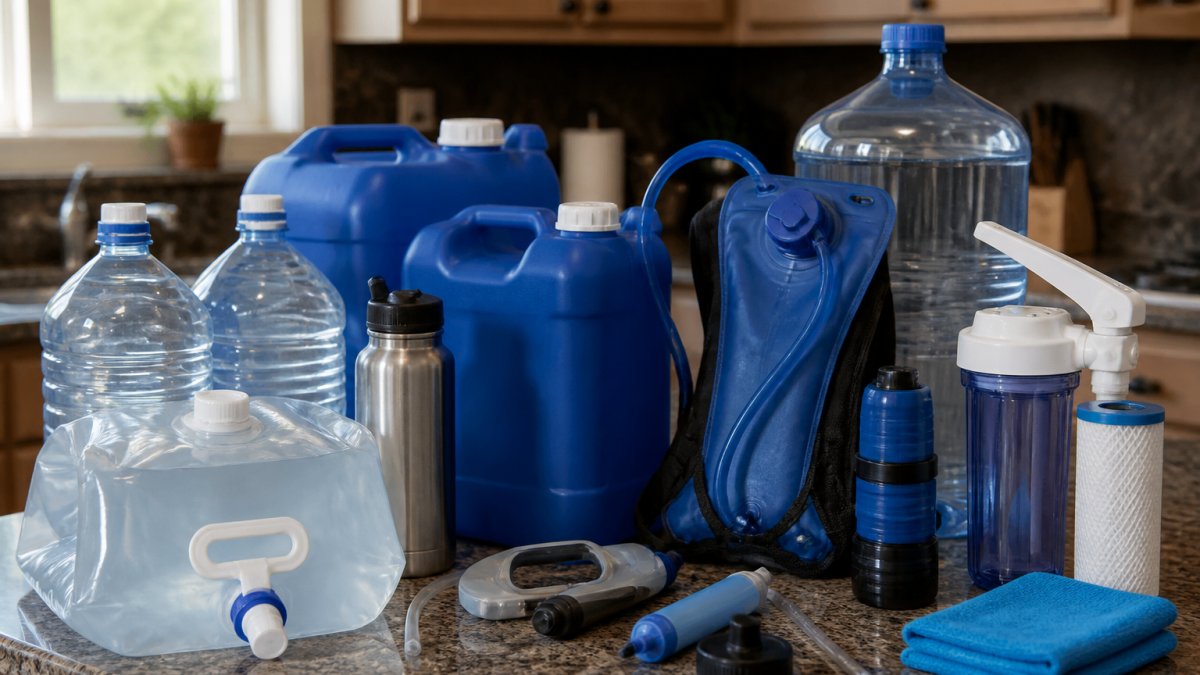
General guidance suggests storing one gallon per person per day for drinking and basic sanitation, though needs vary by age, health, activity level, climate, and emergency duration.
Store emergency drinking water in clean, food-grade containers in a cool, dark location. For water filled at home, follow recommended treatment and storage procedures, and replace stored water every six months.
Beyond stored water, consider a backup purification method.
(/products/alpineaire-72-hour-emergency-food-bundle) like the AlpineAire 72 Hour Emergency Food Bundle provide multiple days of prepared meals in compact, shelf-stable form.
Rotate food supplies regularly: check expiration dates twice yearly, store in a cool, dry location, and include a manual can opener, since electric openers are useless without power.
3. First-Aid Kit and Medical Supplies
Injuries happen during emergencies, whether from the emergency itself or accidents during the disruption. A first-aid kit provides basic supplies to treat minor wounds, reduce infection risk, and manage common discomfort.
A basic first-aid kit should include sterile gauze pads, adhesive bandages, antiseptic wipes or ointment, elastic bandages, pain relievers, antihistamines, and a thermometer.

You can assemble your own kit from pharmacy supplies or use a pre-assembled first-aid kit as a foundation and add household-specific items.
For prescription medications, follow product labeling and guidance from your healthcare provider or pharmacist. Store medications in their original containers with clear labeling, and rotate them according to expiration dates.
First-aid knowledge matters as much as supplies. Consider taking a recognized first-aid or CPR course, these skills become invaluable when professional medical help is delayed.
4. Flashlights, Lanterns, and Extra Batteries
Power outages plunge homes into darkness. Flashlights and lanterns provide essential illumination for navigation, reading, and basic tasks. Unlike candles, electric lights pose no fire risk in confined spaces and don't consume oxygen.
Every household should have multiple light sources. Handheld flashlights work for targeted illumination, while lanterns provide broader area lighting for gathering spaces.

A USB rechargeable LED flashlight offers reliable illumination without constant battery replacement, often with adjustable focus and multiple brightness settings.
For broader area lighting, a solar LED camping lantern provides illumination through solar or USB charging, with some models including power bank functions.
Store extra batteries appropriate for your flashlights and other battery-dependent devices.
5. Emergency Radio and Communication Devices
When power fails and cellular networks overload, an emergency radio keeps you informed about weather conditions, emergency instructions, and critical updates from local authorities.
A battery-powered or hand-crank emergency radio receives weather alerts and news broadcasts, and many models include NOAA Weather Radio capability for location-specific alerts. Some also include flashlights and phone charging.
Cell phones are valuable but unreliable during widespread emergencies, networks overload, batteries drain, and service may be unavailable. Include a battery-powered or portable power station phone charger as backup.

Communication planning matters as much as equipment. Establish a family plan: designate an out-of-area contact, teach children how to call or text for help, and discuss meeting points if family members are separated.
6. Sanitation Supplies and Personal Hygiene Items
When water systems fail or sewage treatment is disrupted, sanitation becomes a serious concern. Maintaining basic hygiene prevents disease and supports psychological well-being.
Essential sanitation supplies include hand sanitizer, wet wipes, toilet paper, feminine hygiene products, diapers (if applicable), soap, toothbrush and toothpaste, and medications for common digestive issues.
For longer emergencies, consider a portable toilet seat that fits over a bucket, plus heavy-duty garbage bags and lime or other waste treatment to manage human waste safely.
Personal hygiene needs vary by household composition, infants require diapers and baby wipes, elderly members may need incontinence supplies, and specific medical conditions may require additional hygiene products.
Portable Home First Aid Kit with Compact Case for Travel and Emergency Use →
Store sanitation supplies in a waterproof container separate from food and water. Rotate items with expiration dates, and include basic cleaning supplies such as bleach for water disinfection, all-purpose cleaner, and disinfectant wipes.
7. Warm Blankets, Sleeping Bags, and Extra Clothing
Temperature regulation becomes critical when heating systems fail. Blankets and sleeping bags retain body heat without relying on electricity or fuel.
Heavy blankets work for stationary warmth while sheltering in place, while sleeping bags provide portable insulation for evacuation or movement. A four-season sleeping bag rated for cold weather provides better protection than a lightweight summer bag.
A thermal emergency blanket is compact and lightweight, serving as backup insulation for vehicles or an additional layer when sheltering.
Store extra clothing appropriate for your climate: warm layers (sweaters, thermal underwear), weatherproof outer layers (jackets, rain gear), sturdy footwear, and hats and gloves. Match seasonal clothing to your region's emergency risks.
Clothing needs vary by household, young children need appropriately-sized clothing, and elderly members may need items that are easy to put on and remove. Store clothing in waterproof containers.
How to Build a Home Emergency Kit Checklist
Building an effective home emergency kit starts with these essentials, then customizes based on your household's specific needs.
Step 1: Assess Your Household Count household members and note any special medical needs, dietary restrictions, or mobility considerations.
Step 2: Choose Your Storage Container Select waterproof containers that protect supplies from moisture and pests, plastic bins or dedicated emergency kit bags.
Step 3: Gather Core Supplies Collect the 10 essential items covered in this guide. Build your kit over several weeks, adding items as budget allows.
Step 5: Create a Checklist Document what's in your kit and attach the list to the container to make rotation and replacement easier.
Step 7: Maintain and Rotate Check your kit twice yearly: replace expired medications and food, test batteries and lights, and update supplies as household needs change.
Task |
Frequency |
Notes |
|---|---|---|
Check medication expiration dates |
Every 6 months |
Replace expired items immediately |
Test flashlights and batteries |
Every 6 months |
Replace dead batteries; test light output |
Inspect water storage |
Every 6 months |
Check containers for leaks or contamination |
Review food expiration dates |
Every 6 months |
Replace expired items; rotate stock |
Update household-specific supplies |
Annually |
Add items as household composition changes |
Review family communication plan |
Annually |
Update contact information and meeting points |
Building Beyond the Basics
The 10 essentials form a foundation, but many households benefit from expanding based on their region's hazards and circumstances.
For Power Outages: A portable power station provides extended backup power for critical devices. A portable power station can provide backup electricity for compatible devices during an outage. Always check the equipment's power requirements and the power station's capacity to estimate how long it can operate.
For Evacuation Scenarios: If your region faces hurricane, wildfire, or flood risk, prepare for rapid evacuation: important documents in waterproof containers, cash for when ATMs are unavailable, and vehicle fuel tanks at least half-full during high-risk seasons.
For Specific Medical Needs: Households with members requiring specific medications, medical equipment, or dietary accommodations need customized kits. Work with healthcare providers to identify what's essential, and include written instructions for specialized equipment.
Key Takeaways for Home Emergency Kit Preparedness
A home emergency kit addresses the most critical needs during the first 72 hours of disruption. Water, food, first aid, light, communication, sanitation, and warmth form the foundation.
Customize your kit based on your household's actual needs rather than generic recommendations. Household size, medical needs, climate, geography, and likely emergency scenarios all influence what belongs in your kit.
Start small and build over time.
Test and maintain your supplies regularly. Flashlights with dead batteries, expired medications, and old food don't help during actual emergencies, and twice-yearly maintenance ensures your kit functions when needed.
Your household's peace of mind matters. Knowing you've prepared for common emergencies reduces anxiety about "what if" scenarios, a benefit as valuable as the supplies themselves.
Search our site for emergency preparedness supplies
Building a home emergency kit is one of the most practical steps you can take toward household security. Already Survival offers supplies to assemble a kit matched to your situation, from water storage and emergency food to first-aid kits, lighting, and shelter supplies. Browse our emergency preparedness collection to find items that fit your household's needs.
Frequently Asked Questions
What are the 10 most important items for a home emergency kit?
The 10 essentials are: drinking water (one gallon per person per day for several days), non-perishable food, a first-aid kit, flashlights and extra batteries, an emergency radio, sanitation supplies, warm blankets or sleeping bags, cash and important documents, prescription medications, and a portable power source or charger. These items address the core needs during power outages, severe weather, and shelter-in-place situations. Adjust quantities based on your household size and any specific medical needs.
How do I build a home emergency kit for my family?
Start by listing your household members and any special needs (medications, infant formula, pet supplies). Gather water at one gallon per person per day for at least three days, then add non-perishable food with a manual can opener. Include a comprehensive first-aid kit, multiple light sources with batteries, a battery or hand-crank radio, hygiene items, warm clothing or blankets, important documents in a waterproof container, and medications in original bottles. Store everything in an accessible, cool location and check supplies annually.
How much water should I store for an emergency?
A common recommendation is one gallon of drinking water per person per day. For a household of four, store at least 12 gallons for a three-day emergency, though two weeks of supply is more resilient. Water needs vary by age, activity level, health, and climate. Store water in food-grade containers, keep it in a cool place, and replace it every six months. Include extra water for cooking and sanitation if possible.
What should I include in a family emergency kit?
A family emergency kit should address the specific needs of all household members. Beyond the 10 essentials, include items for infants (formula, diapers), children (comfort items, medications), elderly family members (mobility aids, hearing aid batteries), and pets (food, water, carriers). Store prescription medications in original labeled bottles with instructions. Include a list of emergency contacts, medical information cards, and copies of insurance documents. Tailor quantities based on your family size and the duration you plan to shelter in place.
How often should I check and update my home emergency kit?
Review your home emergency kit at least twice per year—spring and fall are good times to align with seasonal changes. Check expiration dates on food, water, medications, and first-aid supplies. Replace items that have been used or damaged. Update contact information and important documents as your family changes. Refresh water supplies every six months and rotate stored food annually. Add new items as your household needs change, such as new medications or supplies for a new family member.


