


Table of Contents
- 1. Food-Grade Plastic Containers for Safe Water Storage
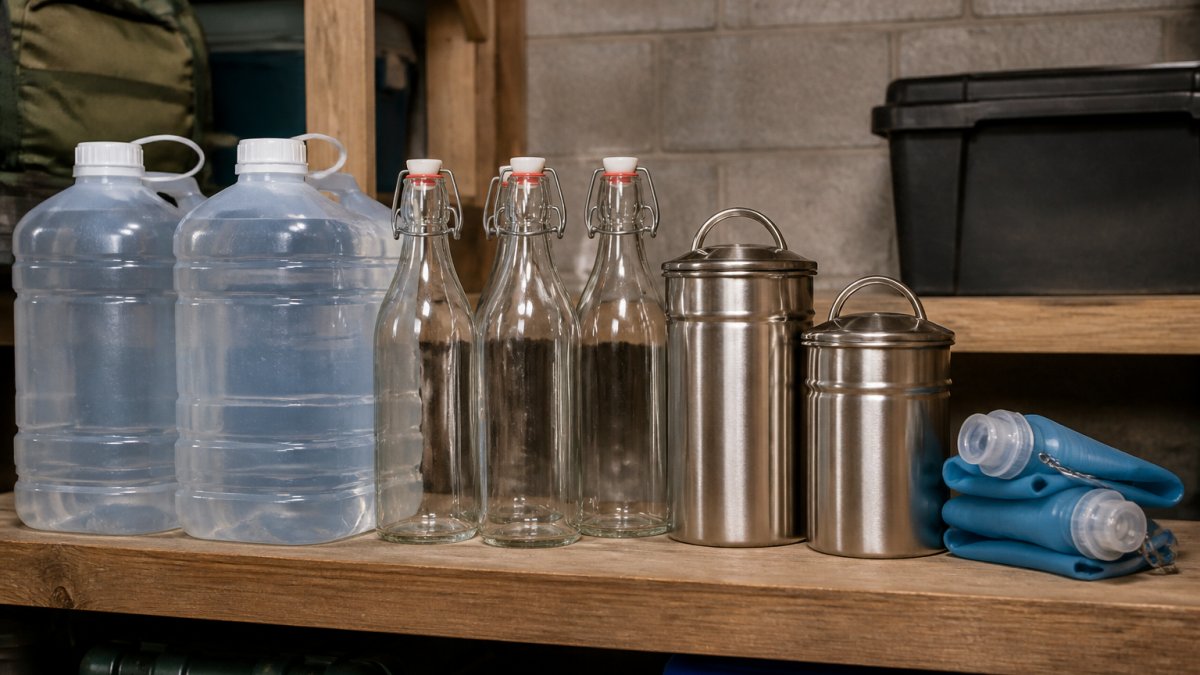
- 2. Glass Containers and Stainless Steel Options
- 3. Water Barrels and Large-Capacity Storage Systems
- How Much Water to Store Per Person for Different Scenarios
- How Long Does Emergency Water Last and When to Rotate
- 4. Bathtub Water Storage Bags and Emergency Backup Methods
- 5. Collapsible and Portable Water Containers for Mobility
- Quick Comparison: Storage Methods by Capacity, Space, and Portability
- Emergency Water Treatment and Filtration for Stored Supply
- Frequently Asked Questions
Last Updated: October 7, 2026
1. Food-Grade Plastic Containers for Safe Water Storage
Food-grade plastic containers are among the most practical options when learning 7 ways to store water for long term emergencies, manufactured to hold potable water without leaching chemicals into your supply.
Choosing the Right Plastic Material
Choose containers specifically labeled as food-grade and approved for drinking-water storage. Common materials include HDPE (#2) and polypropylene (#5), but a recycling code alone does not guarantee a container is safe for storing drinking water. Always verify the manufacturer's intended use.. These plastics resist degradation and won't introduce harmful substances into your supply over time. Avoid containers that previously held non-food items, as they may retain chemical residues even after cleaning.
BPA-free plastic has become the standard for safe water storage, since bisphenol A can leach into water, particularly when containers are exposed to heat or sunlight. Verify the manufacturer's specification that the product is food-grade and BPA-free, a distinction that matters for storage lasting months or years.
Cleaning and Sanitizing Before Filling
To sanitize a water-storage container, use regular, unscented household chlorine bleach containing 5%–9% sodium hypochlorite. Mix 1 teaspoon of bleach with 1 quart of water. Pour the solution into the clean container, cover it, and shake so the solution touches all interior surfaces. Wait at least 30 seconds, then pour out the solution. Allow the empty container to air-dry before filling it with safe drinking water.
This procedure sanitizes the container itself. It is different from adding bleach to disinfect drinking water.
This process eliminates bacteria and other microorganisms that could compromise your supply. Thorough rinsing is essential to remove bleach residue; for narrow-necked containers, a bottle brush helps reach interior surfaces.
2. Glass Containers and Stainless Steel Options
Glass and stainless steel offer alternatives to plastic, each with distinct advantages for long-term water storage.
Glass containers preserve water quality without risk of chemical leaching. They're inert, so they won't interact with water regardless of storage duration or temperature fluctuations.
Stainless steel containers, particularly food-grade 18/8 stainless steel, provide durability and longevity. The 32 oz Tactical Water Bottle from Already Survival features vacuum-insulated stainless steel construction, making it suitable for both short-term emergency access and outdoor use.

Both glass and stainless steel require the same cleaning and sanitizing approach as plastic. Neither material degrades over time, so you can store water for years without worrying about material breakdown or chemical migration.
3. Water Barrels and Large-Capacity Storage Systems
For households aiming to store significant quantities as part of 7 ways to store water for long term emergencies, water barrels provide efficient large-capacity solutions, typically ranging from 55-gallon drums down to smaller 30-gallon containers.
Barrels designed for water storage come food-grade certified and ready for use.
Keep barrels off the ground on a stable, level surface to prevent stress on seams and allow easier draining or refilling.
Many households combine methods: large barrels for bulk supply and smaller containers for portability and daily access.
How Much Water to Store Per Person for Different Scenarios
Water needs vary by circumstance. A common guideline suggests one gallon per person per day, but actual requirements depend on multiple factors.
Household Size and Duration Considerations
A family of four preparing for a two-week emergency would need roughly 56 gallons for drinking and basic hygiene, assuming moderate conditions. If someone has medical needs requiring additional fluids, or you're caring for young children or elderly family members, increase your target accordingly.
Duration directly affects your storage goal: a 3-5 day outage requires less than preparation for extended disruptions. Many preparedness experts recommend at least two weeks' worth of water as a reasonable safety margin for common emergencies.
Household composition matters too: a single person might store 14 gallons for two weeks, while a family of six needs 84 gallons for the same period.
Climate and Activity Level Adjustments
Hot climates increase water needs significantly, since people consume more for drinking and cooling. Desert or arid climates may require 1.5 gallons per person per day rather than the standard gallon, while cooler climates with lower activity levels may require slightly less.
Activity level affects consumption: physical labor such as clearing debris, walking for supplies, or managing property increases water needs, while sedentary situations require less. Plan for the possibility of increased activity rather than assuming immobility.
Medical conditions, medications, and pregnancy all increase water requirements, and nursing mothers need additional fluids. When in doubt, store more rather than less; having excess provides security.
How Long Does Emergency Water Last and When to Rotate
Properly stored water can remain safe for years, but understanding shelf life and rotation practices ensures your emergency supply stays reliable.
Storage Duration and Shelf Life
Water itself doesn't expire, but stored water can become contaminated if containers are compromised or storage conditions allow bacterial growth. For water filled into storage containers at home, the CDC recommends replacing the stored water every six months. Keep containers tightly sealed in a cool, dark location away from chemicals. Commercially bottled water should be stored according to the manufacturer's instructions.
The critical factors are container integrity and storage environment. Sealed containers kept away from sunlight and stored between 50-70°F maintain quality longer than those exposed to heat or light.
For home-stored water, many preparedness experts recommend rotating supply every six months to one year as a conservative practice, which also gives you the chance to inspect containers for damage or contamination.
Signs Water Should Be Replaced
Visible changes indicate a problem. Cloudy water, discoloration, or sediment suggests contamination. Any unusual odor, beyond the faint chlorine smell from treated municipal water, signals that replacement is necessary. Mold or algae growth on container interiors means the entire batch should be discarded.
Collapsible Military Canteen with Compass – Foldable Survival Water Bottle →
Damaged containers require immediate replacement of their contents, since cracks, leaks, or degraded seals compromise water safety. If a container has been exposed to extreme temperatures, physical damage, or prolonged sunlight, replace the water even if it appears clear.
Water can contain harmful microorganisms even when it looks clear and smells normal. Never rely on appearance or smell alone to determine whether stored water is safe to drink. If you suspect contamination, use a verified safe water source or follow appropriate emergency water treatment guidance.
4. Bathtub Water Storage Bags and Emergency Backup Methods
Bathtubs are an often-overlooked emergency water storage resource. Bathtub water storage bags are plastic liners that fit inside a tub, letting you store water in place without permanently dedicating your bathroom.
These bags typically hold 100+ gallons. The advantage is accessibility: most homes have bathtubs, and filling one requires no special equipment beyond a hose or buckets.
The limitation is that bathtub water isn't ideal for long-term storage. It's useful for short-term emergencies and as a supplement to dedicated containers.
Other backup methods include filling clean buckets, large pots, and clean trash cans with water. Any food-safe container can temporarily hold water in urgent situations.
5. Collapsible and Portable Water Containers for Mobility
Emergencies sometimes require evacuation or relocation. Collapsible and portable water containers serve families that need flexible, mobile storage options.
The Collapsible Military Canteen with Compass from Already Survival is a food-grade silicone bottle that collapses flat when empty, saving pack space during evacuation.

Collapsible containers work well for short-term mobile needs but aren't suitable as primary long-term storage.
Hydration backpacks with integrated water bladders offer another portable approach.
Keeping collapsible containers in your car provides emergency water access during roadside situations or unexpected displacement. A vehicle emergency kit should include portable water storage alongside food, first aid supplies, and other essentials.
Quick Comparison: Storage Methods by Capacity, Space, and Portability
Storage Method |
Capacity Range |
Space Requirement |
Portability |
Best For |
|---|---|---|---|---|
Food-Grade Plastic Containers |
5-55 gallons |
Moderate |
Low to moderate |
Balanced storage with manageable weight |
Glass Containers |
1-5 gallons |
Low |
Low |
Quality preservation without chemical concerns |
Stainless Steel Bottles |
32 oz-1 gallon |
Very low |
High |
Individual hydration and portable access |
Water Barrels |
30-55 gallons |
High |
Very low |
Bulk storage in fixed locations |
Bathtub Bags |
100+ gallons |
High (bathtub) |
Very low |
Emergency supplement, short-term use |
Collapsible Containers |
1-3 gallons |
Very low when empty |
Very high |
Evacuation kits and mobile scenarios |
Hydration Backpacks |
2-3 liters |
Very low |
High |
Active movement and extended displacement |
Emergency Water Treatment and Filtration for Stored Supply
Even with careful storage, treating water before consumption provides additional safety assurance, and becomes essential if your water source is questionable or stored water shows signs of concern.
When to Treat Water Before Storage
Water from a public water system is already treated and safe to store directly; municipal water contains residual chlorine that helps preserve stored water by inhibiting bacterial growth.
Boiling is a reliable treatment method: heating water to a rolling boil for at least one minute kills most pathogens. It works well for smaller quantities but becomes impractical for large-volume storage.
If emergency drinking water needs disinfection, follow CDC guidance for the specific bleach concentration. For clear water, use 8 drops of regular, unscented household bleach containing 5%–9% sodium hypochlorite per gallon of water. Mix thoroughly and let stand for at least 30 minutes before drinking. Cloudy water should first be filtered through a clean cloth or paper towel, and the bleach dose doubled. Chemical disinfection does not make water contaminated with fuel, toxic chemicals, or radioactive materials safe to drink.
Disinfection with Unscented Bleach
Unscented bleach is a standard emergency water disinfectant. It's affordable, widely available, and effective against most waterborne pathogens when used correctly.
The critical word is "unscented": scented bleach contains additives that make it unsuitable for drinking water. Regular unscented household bleach typically contains 3-8% sodium hypochlorite, the active disinfecting agent.
Water filtration systems provide additional options.
Preparing an emergency water supply requires balancing capacity, accessibility, and storage practicality.
Frequently Asked Questions
What is the safest container for storing emergency water?
Food-grade plastic containers marked with the recycling symbol 2 (HDPE) or 5 (polypropylene) are safe for long-term water storage and resist contamination. Glass containers and stainless steel bottles also work well and do not leach chemicals. Avoid containers that previously held non-food items, as they may contain residual chemicals. Ensure all containers are cleaned and sanitized with unscented bleach before filling to prevent bacterial growth and contamination.
How long can stored water remain safe to drink?
For water stored in containers filled at home, the CDC recommends replacing the water every six months. Use clean, sanitized, food-grade containers and store them tightly sealed in a cool, dark place. Commercially bottled water should be stored according to the manufacturer's instructions. Water that looks clear and smells normal is not necessarily free of harmful contamination.
How much water should a household store for an emergency?
A general recommendation is 1 gallon per person per day for drinking and sanitation, but actual needs vary by household size, climate, activity level, and emergency duration. A family of four should store at least 28 gallons for a one-week emergency, though longer emergencies or hot climates may require more. Consider storing additional water for cooking, hygiene, and potential medical needs. Adjust quantities based on children, elderly family members, pets, and any special health conditions.
Should you treat water before storing it for emergencies?
Water from a safe municipal supply generally does not need additional treatment before storage in clean, sanitized, food-grade containers. If your water source is questionable, follow current CDC guidance for emergency drinking-water treatment. Boiling is preferred when possible. Use appropriate disinfection methods only when necessary, and remember that boiling or bleach cannot remove toxic chemical contamination.
Where should you store water at home to keep it safe?
Store water in a cool, dark location away from direct sunlight, such as a basement, closet, or pantry. Keep containers off the ground on shelves or pallets to prevent damage and allow for air circulation underneath. Avoid areas near chemicals, pesticides, or cleaning supplies that could contaminate water through fumes or leaks. Ensure the storage area remains between 50 and 70 degrees Fahrenheit if possible. In cold climates, protect water from freezing, as ice expansion can crack containers.


