


Table of Contents
- What Makes a Car Emergency Kit Worth Having
- Car Emergency Kit Checklist: Essential Items to Include
- Winter Car Emergency Kit Considerations
- Ready-Made Kits vs. DIY Car Emergency Kit Assembly
- What to Keep in Your Car for Emergencies: Kit Options
- Maintenance and Replacement: Keeping Your Kit Ready
- Frequently Asked Questions
Last Updated: October 11, 2026
What Makes a Car Emergency Kit Worth Having
A roadside breakdown or accident can happen to anyone. When it does, having the right supplies within arm's reach can mean the difference between a minor inconvenience and a dangerous situation. A well-stocked best survival kit for car emergencies transforms panic into action.
At Already Survival, we understand that vehicle emergencies don't follow a schedule. Whether you're stranded in winter weather, dealing with a flat tire, or facing a medical situation on the road, the contents of your vehicle matter. The best survival kit for car emergencies isn't about having every possible gadget, it's about having the essentials that address the most common roadside scenarios.
Most drivers carry nothing. Others throw random items in their trunk and hope for the best. Neither approach works when you actually need help. A thoughtfully assembled kit gives you tools, first aid supplies, visibility gear, and emergency rations that let you handle problems calmly and safely.
Car Emergency Kit Checklist: Essential Items to Include
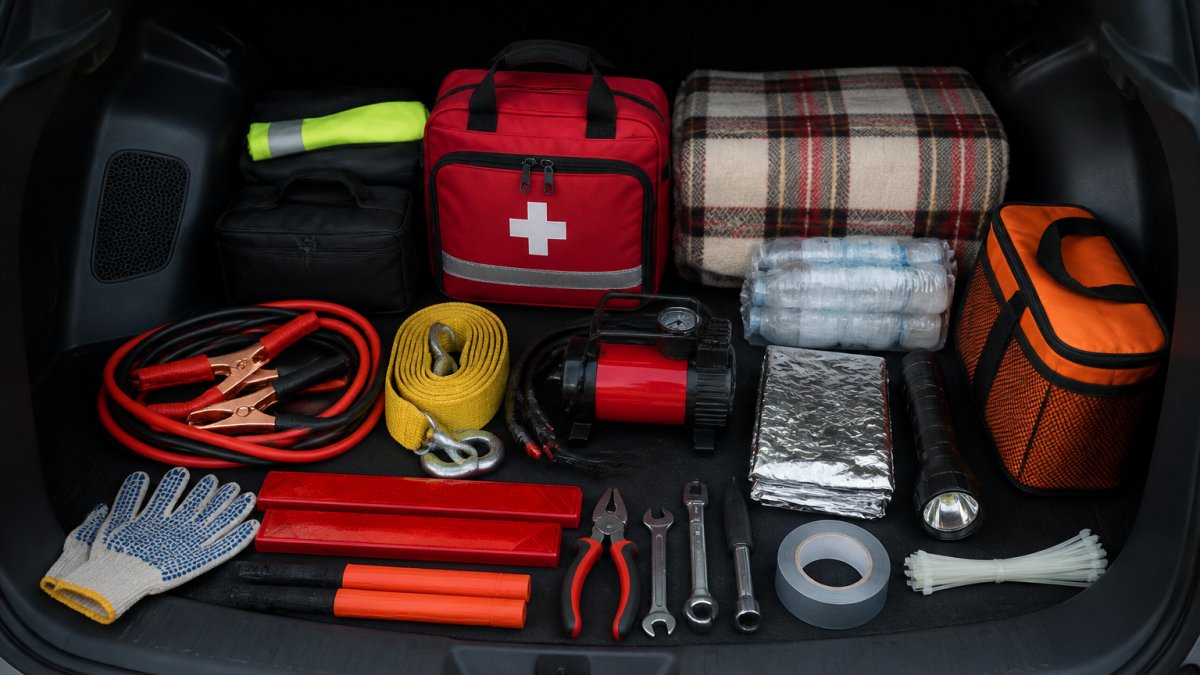
The contents of your best survival kit for car emergencies should cover three main categories: first aid, roadside tools, and visibility gear. These three areas address the situations most likely to occur during vehicle emergencies.
First-Aid and Safety Supplies
Basic first aid supplies handle cuts, scrapes, and minor injuries that can happen during roadside emergencies. A compact first aid kit should include bandages, antiseptic wipes, gauze pads, and adhesive tape.
Beyond basic supplies, consider including a thermal blanket for warmth and shock prevention, an emergency whistle for signaling, and hand warmers for cold-weather situations. These items address safety concerns that go beyond typical first aid.
The Portable Car First Aid Kit with Compact Case is designed to store essential medical supplies for use in vehicles. Its compact size allows it to fit easily in a glove box, center console, or trunk for convenient access. The kit is suitable for travel and everyday driving, helping provide basic supplies for minor injuries while on the road. It features a compact first aid kit for vehicle storage, a portable case for easy organization, is lightweight and easy to store, and is suitable for cars, trucks, and RVs, offering convenient access to basic medical supplies. It can be used for vehicle emergency preparedness, travel and road trips, daily driving use, and outdoor and recreational activities. You can find it here: https://alreadysurvival.com/products/car-portable-first-aid-kit-emergency
Roadside Tools and Equipment
Roadside tools help you address vehicle problems or improve your situation while waiting for assistance. Essential tools include jumper cables or a portable jump starter for dead batteries, a tire repair kit or portable tire inflator for flat tires, and a tow rope for vehicle recovery.
Include a flashlight with extra batteries so you can see and be seen during nighttime emergencies. A folding shovel helps with snow removal or clearing debris. Work gloves protect your hands while handling tools or making repairs.
A multi-tool or basic toolkit handles small adjustments. A warning triangle or reflective vest increases your visibility to other drivers, reducing the risk of additional accidents at your roadside location.
Visibility and Communication Gear
When your vehicle breaks down on a roadway, visibility is critical. Reflective vests make you visible to approaching traffic. LED emergency flares or warning triangles alert drivers to your location from a distance.
A flashlight serves double duty, it helps you see your vehicle's condition and signals your presence to others. A fully charged power bank or portable charger keeps your phone powered for emergency calls, GPS navigation, or contacting roadside assistance.
An emergency whistle is a low-tech but effective signaling tool that requires no batteries and works in situations where your voice alone might not carry far enough.
Winter Car Emergency Kit Considerations
Winter weather introduces specific hazards that standard kits may not fully address. Cold temperatures, snow, and ice create scenarios where additional supplies become essential. A winter-focused best survival kit for car emergencies should include items designed for cold-weather survival.
Thermal blankets and hand warmers help maintain body heat during extended waits in a disabled vehicle. A warm fleece set, including cap, gloves, and scarf, provides layered protection against cold. These items are particularly important because vehicle interiors cool quickly when the engine is off.
Snow removal tools become necessary in winter conditions. A folding shovel or snow brush helps clear snow from your vehicle, while tire chains or traction aids improve traction on ice and snow. Keep extra batteries for flashlights and other electronic devices, as cold temperatures drain them faster.
Winter emergencies often mean longer wait times for assistance. Extra food and water become more important. Include nonperishable snacks and drinking water with a 5-year shelf life so they stay fresh through seasons of storage.
Ready-Made Kits vs. DIY Car Emergency Kit Assembly
Ready-made kits offer convenience and ensure you don't forget critical items. Manufacturers design these kits to address common scenarios, and they arrive fully assembled and ready to place in your vehicle. This approach works well if you want a complete solution without spending time researching and gathering individual items.
However, not all ready-made kits include the same essentials. When comparing kits, look beyond item count, a kit with 65 pieces may include small accessories that don't address core emergencies, while a 30-piece kit might cover first aid, tools, and visibility more thoroughly. Examine what's actually included: Does it have a jump starter or only jumper cables? Does it include a tire repair kit, a portable inflator, or neither?
The AAA Severe Weather Road Kit includes 65 pieces, such as a AAA Double-Sided Carry Bag W/AAA Zipper Pulls, a AAA Emergency Car Care Guide, a AAA Membership Brochure, a Heavy Duty Flashlight, two AA Batteries, a three-piece Warm Fleece Set w/ Cap, Gloves, and Scarf, a Folding Shovel w/ Sheath, a Survival Blanket, three Candles, a Box of Waterproof Matches, two Hand Warmers, and an Emergency Whistle. The Emergency Auto Kit from Already Survival includes food and water with a 5-year shelf life, meant to provide nutrition for 48 hours, including one 2400 Calorie Food Bar, six 4 oz.

When evaluating a ready-made kit, ask these questions:
- First aid coverage: Does it include bandages, antiseptic wipes, gauze, and pain relief, or only basic adhesive strips?
- Roadside tools: Are jumper cables, a tire repair kit, or a portable inflator included? Is there a multi-tool or folding shovel?
- Visibility and signaling: Does it contain a flashlight with batteries, warning triangles, reflective vest, or emergency flares?
- Emergency supplies: Are water and food included? If so, what shelf life do they have?
- Warmth: Does it include thermal blankets, hand warmers, or other cold-weather items?
- Storage: Is everything organized in a case or bag that fits your vehicle's trunk or glove compartment?
DIY assembly gives you control over exactly which items you include and lets you prioritize based on your vehicle type, climate, and personal needs. You can add specialized items, tire chains for winter, extra water for desert driving, or a larger first aid kit if someone in your household has specific medical needs.
A hybrid approach combines both strategies: start with a ready-made kit as your foundation, then add or swap items to match your driving patterns and regional hazards. This balances convenience with customization.
What to Keep in Your Car for Emergencies: Kit Options
Daily Commuting in Moderate Climates
Commuters who drive the same route daily in temperate weather have different needs than road-trippers covering long distances or drivers in extreme climates. For routine commuting, a compact kit like the LifeLine AAA Commuter Kit handles most scenarios you're likely to encounter.

Road Trips and Longer Journeys
Road trips and longer journeys benefit from more comprehensive supplies. The LifeLine AAA Road Trip Kit expands your options with additional items for extended emergencies.
Vehicle-Specific Considerations
Different vehicle types have different vulnerabilities and storage constraints.
Sedans and compact cars have limited trunk space, so prioritize compact, multi-purpose items. A portable jump starter takes less space than jumper cables.
SUVs and trucks offer more storage, allowing you to carry more comprehensive supplies.
Electric vehicles have different roadside concerns than gas-powered cars.
Regional and Seasonal Hazards
Beyond winter, regional hazards shape what you should carry.
Hot and arid climates require extra water, electrolyte replacement drinks, sunscreen, and a wide-brimmed hat or cap. Heat exhaustion and dehydration are primary concerns.
Flood-prone areas benefit from a basic tool kit to clear debris, a rope or tow strap, and extra water (for drinking and vehicle use).
Wildfire zones should include a respirator or N95 mask (in case of smoke), extra water, and a battery-powered or hand-crank radio for emergency alerts.
Multi-Vehicle Households
Households with multiple vehicles might use different kits for different purposes. A compact first aid kit in one vehicle, a full roadside kit in another.
The Emergency Auto Kit serves as a foundation for any vehicle, providing food, water, tools, and first aid supplies.
Maintenance and Replacement: Keeping Your Kit Ready
A kit stored in your vehicle for months or years loses effectiveness if you don't maintain it. Food and water have shelf lives, batteries lose charge, and supplies get used or damaged.
Check your kit twice yearly, once before winter and once before summer. Replace any items that have expired, leaked, or been used. Verify that batteries still work and that food and water remain sealed and undamaged.
Medications and first aid supplies degrade over time. Replace bandages, wipes, and other consumables if they show signs of age or damage. Thermal blankets and emergency blankets can tear or lose effectiveness if stored improperly.
Water in sealed pouches typically maintains quality for years when stored properly, but check seals for leaks or damage. Food bars designed for emergency use have extended shelf lives but should be replaced according to package dating.
Keep a checklist inside your kit documenting what's included and when items were last checked. This simple practice ensures nothing gets overlooked during maintenance cycles.
A best survival kit for car emergencies gives you practical tools and supplies when unexpected vehicle situations occur. Whether you choose a compact commuter kit, a comprehensive road trip kit, or a full emergency auto kit, having supplies accessible in your vehicle transforms how you handle roadside emergencies.

Frequently Asked Questions
What should a car emergency kit include?
A car emergency kit should contain first-aid supplies (bandages, antiseptic wipes, gauze), roadside tools (jumper cables, tire repair kit, flashlight with batteries), warmth items (survival blanket, hand warmers), visibility gear (warning triangles, reflective vest), and communication tools (emergency whistle, phone charger). Include water, nonperishable food, and a basic tool set. Needs vary by climate, vehicle type, and how far you typically drive from help.
Should I buy a prebuilt car emergency kit or assemble my own DIY car emergency kit?
Prebuilt kits offer convenience and ensure nothing is forgotten, while a DIY car emergency kit lets you customize items to your specific vehicle and driving habits. Prebuilt kits work well for people who want immediate peace of mind. DIY assembly takes more time but may cost less if you already own some items. Many people start with a prebuilt kit, then add vehicle-specific tools or seasonal gear.
How often should I check and update my car emergency kit?
Check your kit at least twice yearly, ideally before winter and before summer road trip season. Replace expired first-aid supplies, check that batteries still work, verify water and food shelf life, and confirm all tools are functional. Seasonal changes mean you may add or remove items like hand warmers or ice scrapers. After using any item in an emergency, replace it immediately.
What items are most important in a winter car emergency kit?
Winter car emergencies demand thermal blankets, hand warmers, a warm fleece set or insulated clothing, a shovel for snow removal, ice scrapers, and traction aids. Include jumper cables or a portable jump starter since cold weather reduces battery performance. Add extra blankets, candles or heat sources, and waterproof matches. A first-aid kit and flashlight remain essential year-round but become critical when visibility and response times are reduced by snow and ice.
What does FEMA recommend for an emergency kit?
FEMA recommends emergency kits contain water (one gallon per person per day for several days), nonperishable food, a first-aid kit, flashlight, batteries, a battery or hand-crank radio, medications, important documents, and cash. For vehicle-specific emergencies, add roadside tools, jumper cables, a fire extinguisher, and visibility items. FEMA emphasizes customizing kits to household needs, including items for children, elderly family members, or pets depending on who travels in your vehicle.


