


Table of Contents
- Why Cheap Survival Kits Fail: The Core Problem
- Common Failure Points: Batteries, Adhesives, and Shelf Life
- Signs of High Quality Survival Gear
- Essential Items for a Survival Kit That Actually Perform
- Common Survival Kit Mistakes People Make
- Testing Your Gear Before an Emergency
- Building a Kit That Works for Your Situation
- Frequently Asked Questions
Last Updated: September 20, 2026
Why Cheap Survival Kits Fail: The Core Problem
Cheap survival kits fail because they prioritize volume over utility. A kit with 50 items sounds impressive until you open it and find plastic tweezers that snap, batteries that corrode, and adhesive bandages that won't stick.
Many preppers buy a budget kit, store it for months or years, then discover critical components have degraded, the flashlight won't turn on, the fire starter is rusted, the first aid supplies have separated or dried out.
Understanding why cheap survival kits fail starts with recognizing the shortcuts manufacturers take to hit a price point, skipping quality materials and durability testing.
Common Failure Points: Batteries, Adhesives, and Shelf Life
The most predictable failure points in budget kits are batteries, adhesives, and shelf-stable supplies. Establishing a maintenance rhythm separates a working kit from a liability.
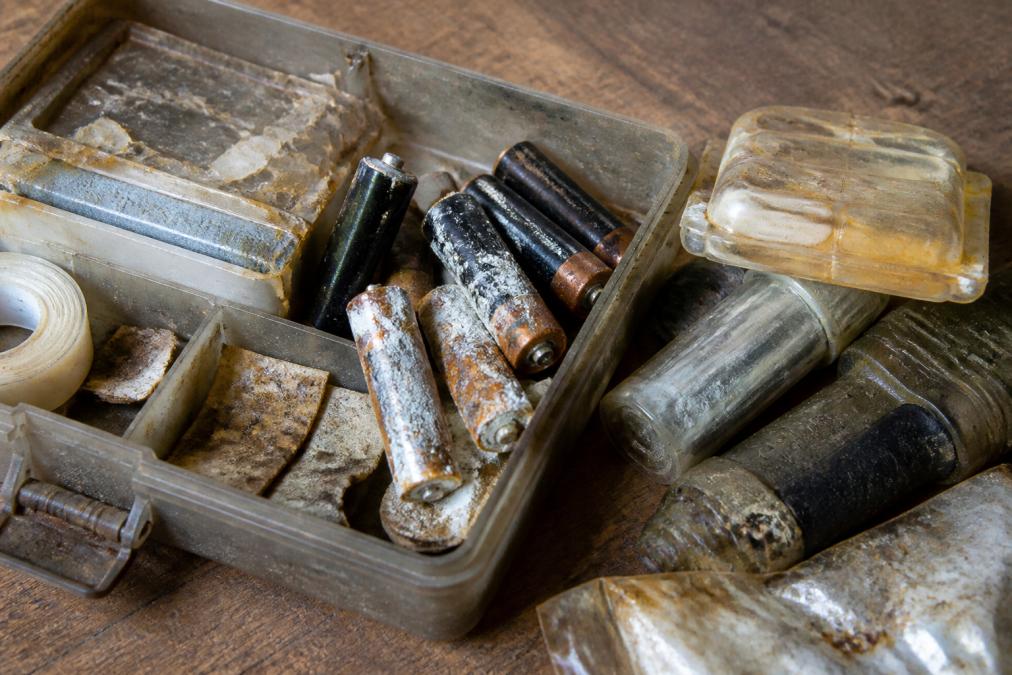
Batteries: The Corrosion Timeline
Alkaline batteries can leak or corrode during long-term storage, particularly when exposed to heat, humidity, or temperature fluctuations. Because storage conditions, battery quality, and age all affect performance, batteries in emergency kits should be inspected periodically and replaced according to the manufacturer’s recommendations.
A practical maintenance approach for batteries:
- Every 6 months: Inspect stored batteries for corrosion, leakage, swelling, or other visible damage.
- Every 12 months: Follow manufacturer guidance: Check expiration dates and replacement recommendations rather than automatically replacing batteries on a fixed schedule.
- Storage tip: When appropriate for the device, consider storing batteries separately in a cool, dry location to reduce the chance that a leaking battery damages emergency equipment.
Adhesive Bandages and Medical Tape: The Tackiness Decay
Adhesive bandages and medical tape can deteriorate over time, especially when stored in hot, humid, or fluctuating temperatures. Packaging can also become damaged, allowing moisture or contamination to affect first aid supplies.
- Every 6 months: Inspect packaging for tears, moisture, discoloration, or other signs of damage. Keep sterile packages sealed until the supplies are actually needed.
- Follow manufacturer guidance: Check expiration dates and replacement recommendations rather than automatically replacing batteries on a fixed schedule.
- Storage: Storage: Keep first aid supplies protected from excessive heat, moisture, and direct sunlight whenever possible.
Shelf Life: The Realistic Window
Storage conditions can affect the useful life of emergency supplies. Heat, humidity, moisture, sunlight, and repeated temperature changes may damage packaging or materials over time. Always check manufacturer labeling, expiration dates, and storage recommendations rather than assuming every item has the same shelf life.
Real-world storage conditions matter. Supplies kept in a cool, dry, climate-controlled location may be exposed to less environmental stress than equipment stored in a vehicle, garage, or other area with large temperature changes.
A comprehensive maintenance schedule addresses this:
- Every 3 months: Inspect food, water, purification supplies, and other time-sensitive items for damaged packaging, moisture intrusion, discoloration, leaks, or other signs of deterioration.
- Every 6 months: Inspect plastic components, emergency blankets, ponchos, and other equipment for cracking, brittleness, tears, or visible damage without unnecessarily opening sealed emergency supplies
- Every 12 months: Replace expired, damaged, or compromised food, water, medications, first aid supplies, and purification products according to their labeling and manufacturer recommendations.Annually: Review your entire kit and document items that need replacement or attention.
Well-made emergency gear should be inspected and maintained just like any other equipment. Durable materials, protective packaging, and proper storage can help extend the useful life of kit components. Periodically reviewing your kit also gives you an opportunity to replace expired, damaged, or outdated supplies.
Signs of High Quality Survival Gear
Signs of well survival gear made survival gear can include durable materials, solid construction, secure closures, protective packaging, and components appropriate for their intended use. When comparing products, review the manufacturer’s specifications and consider how the materials and construction fit the conditions in which you expect to use the gear.

Organized compartments or pouches can help protect supplies and make important items easier to locate during an emergency.
A well-planned kit may also include backup options for important needs such as lighting, fire starting, communication, or first aid. The appropriate level of redundancy depends on the situation, trip length, household needs, and expected risks.
Whenever possible, become familiar with reusable equipment before an emergency and periodically inspect it for damage or deterioration. Follow manufacturer instructions when testing or maintaining individual components.
Essential Items for a Survival Kit That Actually Perform
A useful survival kit should prioritize practical needs rather than simply maximizing item count. Common preparedness categories include water, shelter and warmth, first aid, lighting, signaling, and tools appropriate for your situation.
For situations where fire-starting equipment is appropriate, having more than one method can provide useful redundancy. Options may include a ferrocerium rod, weather-resistant matches, or a lighter. Become familiar with any fire-starting equipment beforehand and follow local fire restrictions and safety precautions.
29 Piece Outdoor Survival Gear Kit for →
Shelter and warmth supplies may include emergency blankets, ponchos, or other compact protective equipment. When comparing these items, consider their materials, construction, intended use, and storage requirements.
First aid supplies should be selected with practical needs in mind and stored so their packaging remains protected. Common supplies can include sterile gauze, adhesive bandages, medical tape, antiseptic products, and other items appropriate to your household and level of training.
The 29 Piece Outdoor Survival Gear Kit for Travel, Camping and Hiking from Already Survival provides a compact collection of emergency and outdoor supplies in an organized kit. Review the included components to determine how they fit your individual preparedness needs and consider adding or replacing items based on your household, location, and intended use.
Common Survival Kit Mistakes People Make
One common mistake is choosing a survival kit primarily by item count. A larger number of components does not necessarily make a kit more useful. Consider the purpose, quality, and practicality of the individual items instead.
Storage conditions also matter. Excessive heat, humidity, moisture, and temperature fluctuations can affect batteries, adhesives, packaging, food, medical supplies, and other emergency equipment over time.
Another mistake is waiting until an emergency to become familiar with reusable gear. Review manufacturer instructions and learn how your flashlight, fire-starting equipment, signaling devices, and other tools operate before you need them.
Generic kits may also need to be customized. An emergency kit for a vehicle can have different priorities from one intended for home preparedness, evacuation, camping, or wilderness use.
Finally, periodically inspect your kit rather than storing it indefinitely and forgetting about it. Check expiration dates, packaging condition, batteries, and reusable equipment, and replace items that are expired, damaged, or no longer appropriate for your needs.
Testing Your Gear Before an Emergency
Becoming familiar with reusable gear before an emergency can help you identify damaged, missing, or difficult-to-use equipment. Testing should be done safely and according to the manufacturer’s instructions, without unnecessarily opening or consuming single-use emergency supplies.
Basic Functionality Testing
Start with basic reusable equipment. Check that flashlights operate properly, signaling devices function, and other reusable tools appear to be in good condition. Follow manufacturer instructions when checking fire-starting equipment or other specialized gear.
If you use a compass, practice with it in a safe setting so you understand how it works. Inspect emergency blankets and other packaged supplies for visible damage, but avoid unnecessarily opening single-use items simply to test them.
A Practical Testing Schedule
- Periodically: Inspect critical reusable equipment such as flashlights, signaling devices, and other tools for damage and proper operation.
- During routine kit reviews: Check first aid supplies, emergency blankets, food, water, batteries, and other stored items for expiration dates, damaged packaging, leaks, corrosion, or deterioration.
- Before trips or seasonal changes: Review equipment that may be affected by the conditions you expect to encounter and make sure you understand how to use it.
- After changing storage locations: Recheck the kit if it has been moved to a vehicle, garage, outdoor area, or another environment where temperature or humidity conditions may differ.
Regular inspection and familiarity with your equipment can help you build a kit you are more prepared to use. Rather than assuming a kit is reliable based on its price or item count, evaluate its individual components, maintain them appropriately, and replace supplies when necessary.
Building a Kit That Works for Your Situation
A functional survival kit should reflect your actual needs, environment, household, and likely emergency situations. For example, an urban emergency kit may place greater emphasis on communication and first aid, while an outdoor or wilderness kit may include additional shelter, navigation, water treatment, and fire-starting equipment where appropriate.
Frequently Asked Questions
What are the most common points of failure in cheap survival kits?
Potential failure points can include batteries, adhesives, packaging, plastic components, first aid supplies, food, water treatment products, and other time-sensitive items. Storage conditions such as heat, humidity, moisture, and temperature fluctuations can contribute to deterioration. Periodic inspection can help identify damaged, expired, or compromised supplies before they are needed.
How can you distinguish between high-quality gear and low-quality alternatives?
Look at the materials, construction, packaging, product specifications, and intended use of individual components rather than relying only on price or item count. Durable construction, secure closures, clear manufacturer information, and protective packaging can all be useful signs to consider. Review available product specifications and instructions, and be cautious of vague descriptions or unsupported performance claims.
What essential items are often missing from cheap survival kits?
The contents of survival kits vary widely, so evaluate each kit individually rather than assuming a certain item count provides complete coverage. Depending on your needs, useful categories to consider may include water treatment, lighting, signaling, first aid, shelter and warmth, navigation, fire-starting equipment, and appropriate tools. Consider whether backup options are appropriate for critical needs and customize the kit for your household, environment, and intended use.
Are pre-built survival kits reliable for long-term emergencies?
Pre-built survival kits can provide a useful starting point, but they may need to be customized for your household, location, and expected emergency situations. Consider factors such as the number of people, duration of the emergency, climate, medical needs, food and water requirements, and whether the kit is intended for home, vehicle, evacuation, or outdoor use. Periodically inspect stored supplies, check expiration dates and packaging, and replace or supplement items as your needs change.


