


Quick Summary
To secure home windows for hurricanes, install properly anchored plywood panels, approved storm shutters, or impact-rated window systems before the storm arrives. Follow installation requirements for your wall type and protect glass doors and other vulnerable openings throughout the home. Window film does not replace hurricane-rated protection.
- Glass breakage is the most common window failure in storms.
- Add several inches of overlap on each side when measuring plywood.
- Fasten panels into studs or structural framing, not only siding or trim.
- Window film helps hold broken glass together but does not stop debris.
- If officials order an evacuation, leave rather than installing panels.
Table of Contents
- Why Hurricane Windows Need Protection Before the Storm Arrives
- Hurricane Window Protection Options at a Glance
- How to Board Up a Window Before a Storm With Plywood
- How to Secure Home Windows for Hurricanes Without Shutters
- How to Secure Home Windows for Hurricanes From Inside
- Choosing the Right Protection by Budget, Lead Time, and Home Type
- Scheduling Your Window Protection Before Hurricane Season
- Frequently Asked Questions
Hurricane season brings high winds and windborne debris, and an unprotected window is often the first place a storm breaks into a home. Knowing how to secure home windows for hurricanes before a storm is on the way can keep glass intact and reduce the risk of damage inside.
Plywood panels, storm shutters, and impact-rated window systems suit different homes, budgets, and lead times. Window film may help hold broken glass together, but it does not replace hurricane protection. The sections below explain these options and what to check before you start.
Why Hurricane Windows Need Protection Before the Storm Arrives
Windows are often the weakest point of a home during a hurricane. Wind pressure pushes on the glass, and flying debris can break it in seconds. Once a window breaks, wind and rain can enter, and internal pressure can start to lift the roof.
Protection works best when it goes up before the storm. Installing it in the middle of high winds is dangerous. Plan your window work during calm weather, well before the forecast turns.
- Glass breakage is the most common window failure in storms
- Broken windows let wind and rain into the home
- Protection should go up before the storm, not during it
Hurricane Window Protection Options at a Glance
Each option has trade-offs. The right choice depends on how fast you need protection, what your home is built from, and how long you plan to keep the system.
- Plywood panels: Low cost and quick to source, but they must be measured, cut, and stored between seasons.
- Storm shutters: Permanent or semi-permanent, and often easier to deploy than plywood once installed.
- Impact-resistant windows: Permanent glass upgrades that resist debris, usually the most expensive option.
- Window film: A retrofit that holds broken glass together, though it does not replace a full panel or shutter.
The main options differ in lead time, cost, and how much protection they give, as summarised below.
Option |
Best for |
Key difference |
|---|---|---|
Plywood panels |
Low cost, quick to source |
Must be measured, cut, and stored between seasons |
Storm shutters |
Permanent or semi-permanent use |
Often easier to deploy than plywood once installed |
Impact-resistant windows |
Long-term investment |
Permanent glass upgrade, usually the most expensive |
Window film |
Retrofit on existing glass |
Holds broken glass together but does not replace a panel or shutter |
How to Board Up a Window Before a Storm With Plywood
Plywood is a common emergency option because it is widely available and can be cut to fit each opening. Its effectiveness depends on panel thickness, overlap with the frame, and fastening into structural framing rather than just the siding or trim. A panel that is too thin, too small, or held by a few short screws can pull loose under wind pressure even though it looked secure when you installed it.
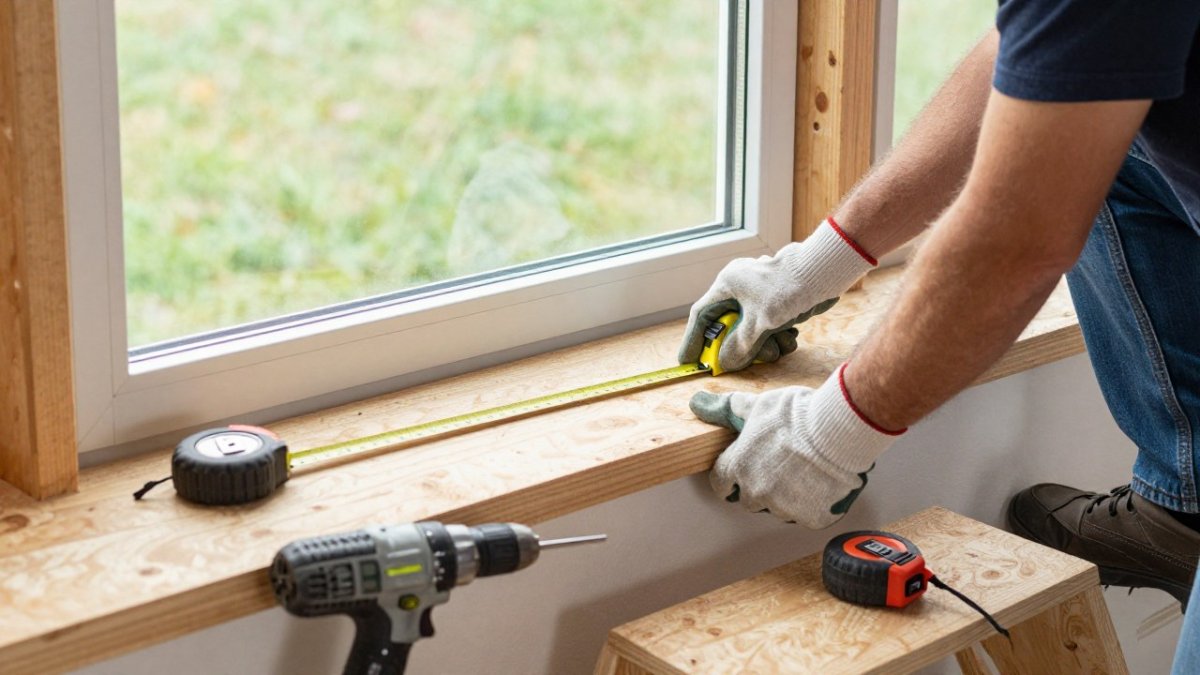
Measuring and Cutting Plywood Panels
Measure each window opening from edge to edge, including the frame. Add several inches of overlap on each side so the panel covers the frame and the wall around it, not just the glass.
Panel thickness matters. Panel thickness matters, because thinner panels flex and can be punctured by windborne debris. Confirm what your local building department or a qualified contractor recommends for your area before you cut.
Label each panel with the window it fits, such as "kitchen, north side." Matching labels save time when the storm is approaching and you need to install quickly. Store panels flat and dry between seasons so they do not warp.
Attaching Panels to Different Wall Materials
The fasteners and the material they bite into determine whether the panel stays put. The panel itself rarely fails first, the attachment points do. Plan for fasteners that reach structural framing, not just sheathing, siding, or trim.
- Wood-frame walls: Lag screws or structural screws driven into wall studs are a common approach. Locate studs with a stud finder or by tapping, and mark them before drilling. Space fasteners around the perimeter of the panel and along the studs, following the anchor manufacturer's instructions.
- Masonry and concrete: Use masonry anchors rated for the wall type, installed per the anchor manufacturer's guidance. Concrete and block behave differently, and the wrong anchor can crack the surface or pull out under load.
- Stucco and siding: These are finish surfaces, not structural attachment points. Fasteners need to pass through them into the framing or sheathing behind. Check with a qualified contractor about how to fasten through stucco without damaging the finish.
Follow the anchor and fastener manufacturer's instructions for your wall type. Check that every fastener is tight and that the panel does not flex when pressed.
Watch out: Over-tightening fasteners can crush the plywood face or strip the anchor, and under-tightening leaves the panel loose, either way the panel can work free in gusting wind. Follow the anchor maker's torque and spacing guidance rather than guessing.
Protecting Sliding Glass Doors and Adjacent Openings
Sliding glass doors are large, vulnerable openings, and their tracks and rollers can fail under pressure. Cover them with a full panel or a door-specific system sized to the opening, and fasten into the framing on both sides. A window-protection plan that covers windows but leaves a sliding door or an adjacent opening exposed can still let wind and rain into the home, so treat every opening in the same wall as part of the same plan.
When Not to Install
Window protection does not make a home safe in every storm. If local officials issue an evacuation order, leave rather than attempting last-minute installation. Installing panels in rising wind is dangerous, and a partially secured opening is not a reason to shelter in place against official guidance. Follow evacuation instructions and the guidance of local emergency management.
How to Secure Home Windows for Hurricanes Without Shutters
Not every home has shutters, and plywood is not the only alternative. Many homeowners combine approaches for different windows, layering a primary barrier with a secondary measure. The key is understanding what each option actually does, because some are barriers and some only reduce the mess when glass breaks.
Window Film
Window film is applied to existing glass to help hold broken pieces together. It does not stop a window from breaking, and it does not keep wind or debris out once the glass fails. It works best alongside another layer of protection, such as a panel or shutter, and is most useful for reducing flying shards and cleanup. Follow the film manufacturer's installation instructions, and expect that film alone will not protect an opening from windborne debris.
Taping Windows
Do not tape windows for hurricane protection. Tape does not strengthen glass or protect against windborne debris, and it can leave larger pieces of broken glass attached together. Use properly installed plywood panels, approved storm shutters, or impact-rated window systems instead.
Sliding Glass Doors
Sliding glass doors deserve special attention. Their large glass panels are vulnerable, and the track and rollers can fail under pressure. Cover them with a full panel or a door-specific system sized to the opening, and fasten into the framing on both sides. A door that is protected on the glass but loose in its track can still be pushed in by wind.
Impact-Resistant Windows and Other Retrofits
Impact-resistant windows are permanent glass upgrades designed to resist debris, and they are usually the most involved and costly option. They are best planned during renovation or replacement rather than as a last-minute measure. Other retrofits, such as reinforced frames or added anchors, vary by product and by home; check the manufacturer's instructions and local building requirements before committing.
Layering and Limitations
A practical approach is to pair a barrier (panel, shutter, or impact-rated glazing) with a secondary measure (film) where it makes sense, and to protect every opening in a wall rather than only the windows. No combination of window protection makes a home safe in every storm. If local officials issue an evacuation order, follow it rather than attempting last-minute installation. Check local building rules before making permanent changes, since requirements vary by location and home type.
How to Secure Home Windows for Hurricanes From Inside
Interior steps can add a layer of safety, especially if exterior protection is limited. Move furniture and valuables away from windows so breaking glass does not cause harm. Close interior doors to help contain wind and debris to one area of the home.
Interior work does not replace exterior protection. It is a backup plan. Keep people away from windows during the storm and stay in an interior room away from glass.
Choosing the Right Protection by Budget, Lead Time, and Home Type
Pick your approach based on three questions: how much you can spend, how much time you have before the storm, and what your home is built from.
- Short lead time: Plywood or temporary panels, sourced and labeled in advance
- Moderate budget and time: Storm shutters, installed before the season
- Long-term investment: Impact-resistant windows, ideal during renovation or replacement
- Rental or shared housing: Ask your landlord or property manager about approved hurricane protection and permission requirements before installing panels or making changes. Window film alone is not adequate hurricane protection.
Check local building rules before making permanent changes. Requirements vary by location and home type.
Scheduling Your Window Protection Before Hurricane Season
Plan early. Measure your windows, label panels, check fasteners, and store everything somewhere dry and easy to reach. Test a panel fit each spring so you are not discovering a problem during an evacuation warning.
Inspect your protection after every storm. Look for cracks, loose fasteners, and warped panels. Replace damaged parts before the next season.
Preparing your home is one part of a wider plan. For help building a complete emergency kit, read our guide on What You Actually Need in a Hurricane Emergency Kit. To plan your household's response, see How to Create a Home Disaster Plan Step by Step, and for family readiness, How to Build a Family Emergency Kit: Step-by-Step. For storm-season food planning, emergency food supplies for hurricanes covers what to stock alongside window protection.
Get your window protection in place before the forecast turns. Browse our emergency preparedness supplies to find the right gear for your home, and reach out with questions about which options fit your situation.
Frequently Asked Questions
Can you protect windows from hurricanes without shutters?
Yes. Properly fitted and anchored plywood panels or professionally installed impact-rated window systems are alternatives to shutters. Follow local building requirements and installation instructions. Window film and tape do not replace hurricane protection.
Is it safe to cover windows from the inside during a hurricane?
Do not attempt to install improvised plywood or heavy coverings beside windows during a hurricane. These are not a substitute for properly installed storm protection. Complete protective work before dangerous winds arrive. During the storm, keep everyone away from windows and shelter in an interior room. Follow evacuation orders.
Should you tape windows before a hurricane?
No. Tape does not strengthen windows or protect them from hurricane winds and flying debris. Use properly installed plywood panels, approved storm shutters, or impact-rated window systems. Install protection before dangerous weather arrives.
What should you do if a window breaks during a hurricane?
Move everyone away from the broken window and into an interior room away from glass. Do not approach the opening or attempt repairs while dangerous winds continue. A lull may be the hurricane’s eye, so remain sheltered and follow official instructions before inspecting damage.


